The Provision Garden vision.
Take control of your family’s food, wherever you’re starting from. Better meals today. A little growing tomorrow, if you want it.
Build my week freePlan better meals today.
A family food system starts with dinner, not a garden. Groceries, homegrown produce, or both: the same planner works underneath.
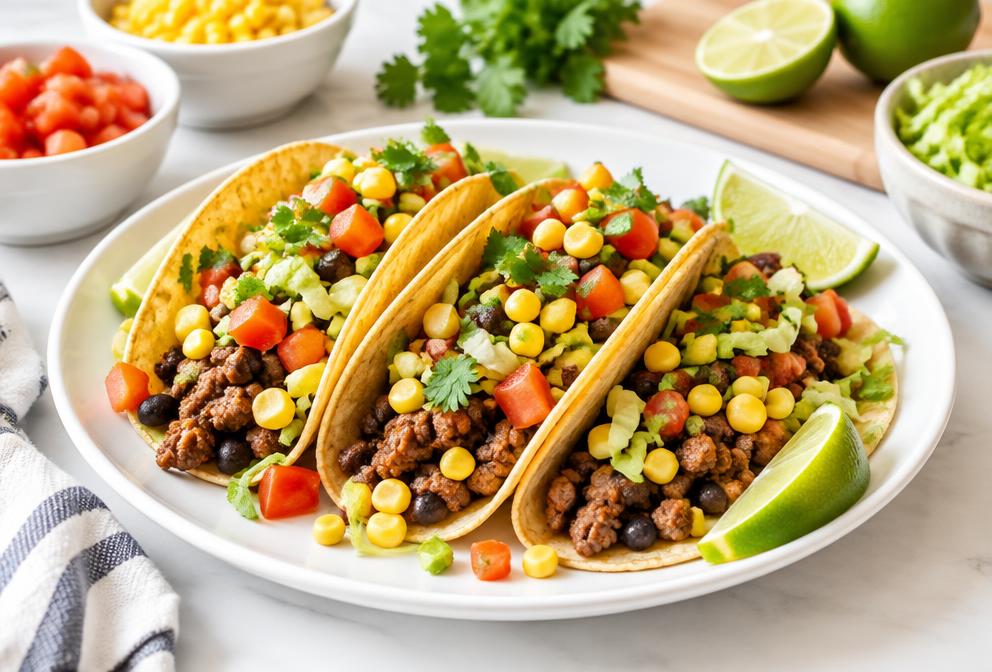
Buy better → cook more → waste less.
Build a week of meals, get a shopping list, and adapt tonight when time or leftovers change the plan.
Understand what’s on the plate.
Review nutrition estimates for each family member. Add your own recipes and count school lunches, too.
Build my week freeGrow more of what your family uses.
Start with herbs you actually cook with. If you enjoy it, a compact rack could add small harvests of greens to meals you already make.
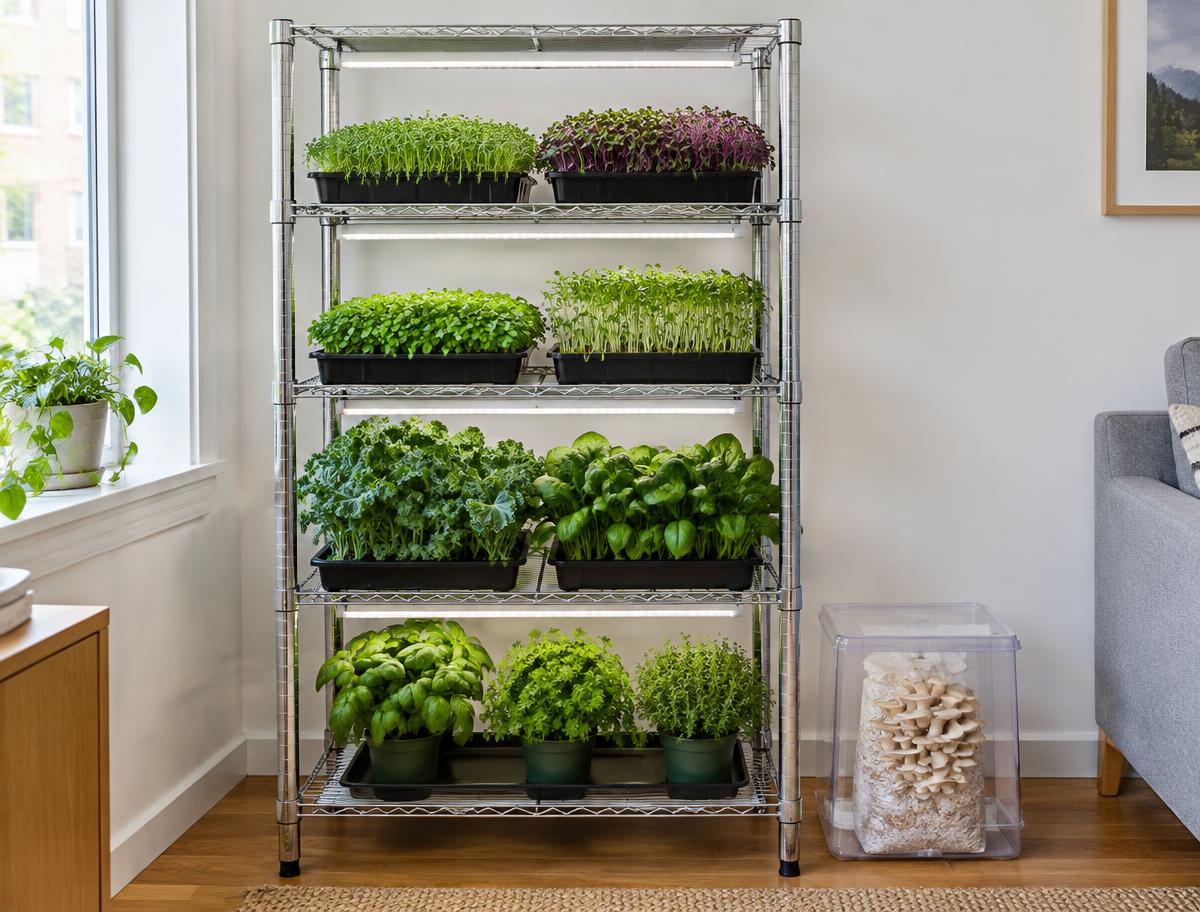
A compact shelf-by-shelf idea.
- Shelf 1 / First microgreensBroccoli or radish · start small and learn a harvest rhythm
- Shelf 2 / Staggered traysPea or sunflower shoots · a second harvest, a little later
- Shelf 3 / Leafy greensKale, spinach or chard · choose varieties for your conditions
- Shelf 4 / Kitchen herbsBasil, parsley or cilantro · flavor you will use
A 2 ft × 4 ft shelving footprint is a starting concept, not a guaranteed yield. Lights, ventilation, food safety, water, running costs and crop spacing all need practical testing. This is not a complete-diet replacement or a finished rack product.
Explore the Starter Rack concept →Growing, cooking and nutrition, together.
The aim is to grow things you will eat, cook with what you have, and see where the rest of your food needs to fill the gaps.
Already possible.
Tell the planner which garden crops are ready. Use them alongside groceries, saved recipes and leftovers. Track what each person actually ate.
The longer-term vision.
A tested growing layout that supports your family’s usual meals. The physical system remains a concept; dependable harvest quantities and nutritional coverage have not been established.
Greens alone are not a complete diet. Calories, protein quality, vitamin B12, vitamin D and other needs may call for varied grocery foods, fortified foods or professional advice. Food sources below are examples, not a promise that a rack meets your needs.
The nine essential amino acids
| Nutrient | Role | Example food sources |
|---|---|---|
| Histidine | Protein synthesis | Beans, oats, eggs |
| Isoleucine | Muscle metabolism | Soy, peas, eggs |
| Leucine | Muscle protein synthesis | Soy, lentils, dairy |
| Lysine | Growth and tissue repair | Beans, lentils, eggs |
| Methionine | Protein synthesis and metabolism | Eggs, grains, seeds |
| Phenylalanine | A precursor for signaling molecules | Soy, eggs, seeds |
| Threonine | Structural proteins | Legumes, eggs, dairy |
| Tryptophan | A precursor for serotonin | Oats, eggs, soy |
| Valine | Muscle metabolism | Beans, oats, dairy |
Vitamins, minerals and omega-3 fats
| Nutrient | Role | Example food sources |
|---|---|---|
| Vitamin A | Vision and immune function | Carrots, sweet potato, kale |
| Vitamin C | Collagen and iron absorption | Peppers, broccoli, cabbage |
| Vitamin D | Calcium absorption and bone health | Fatty fish, fortified foods, UV-exposed mushrooms |
| Vitamin E | Cell membrane protection | Seeds, nuts, plant oils |
| Vitamin K | Blood clotting | Kale, spinach, parsley |
| Vitamin B12 | Nerves and red blood cells | Animal foods and fortified foods |
| Folate | Cell division | Legumes, spinach, broccoli |
| Iron | Oxygen transport | Lentils, beans, meat |
| Calcium | Bones and muscle function | Dairy, fortified foods, some greens |
| Magnesium | Enzyme and muscle function | Oats, legumes, seeds |
| Zinc | Immune function and wound healing | Meat, legumes, seeds |
| Selenium | Thyroid and antioxidant functions | Eggs, fish; plant content varies |
| Omega-3 fats | Essential fatty acids | Flax and chia (ALA); fish (EPA/DHA) |
You can start without growing a thing.
Try your first family meal plan. Let growing come later.
Build my week freeGeneral food-planning information, not medical advice. Nutrition values are estimates.